Precision in Your Palm: Identifying Tungsten Carbide Scissors
Wiki Article
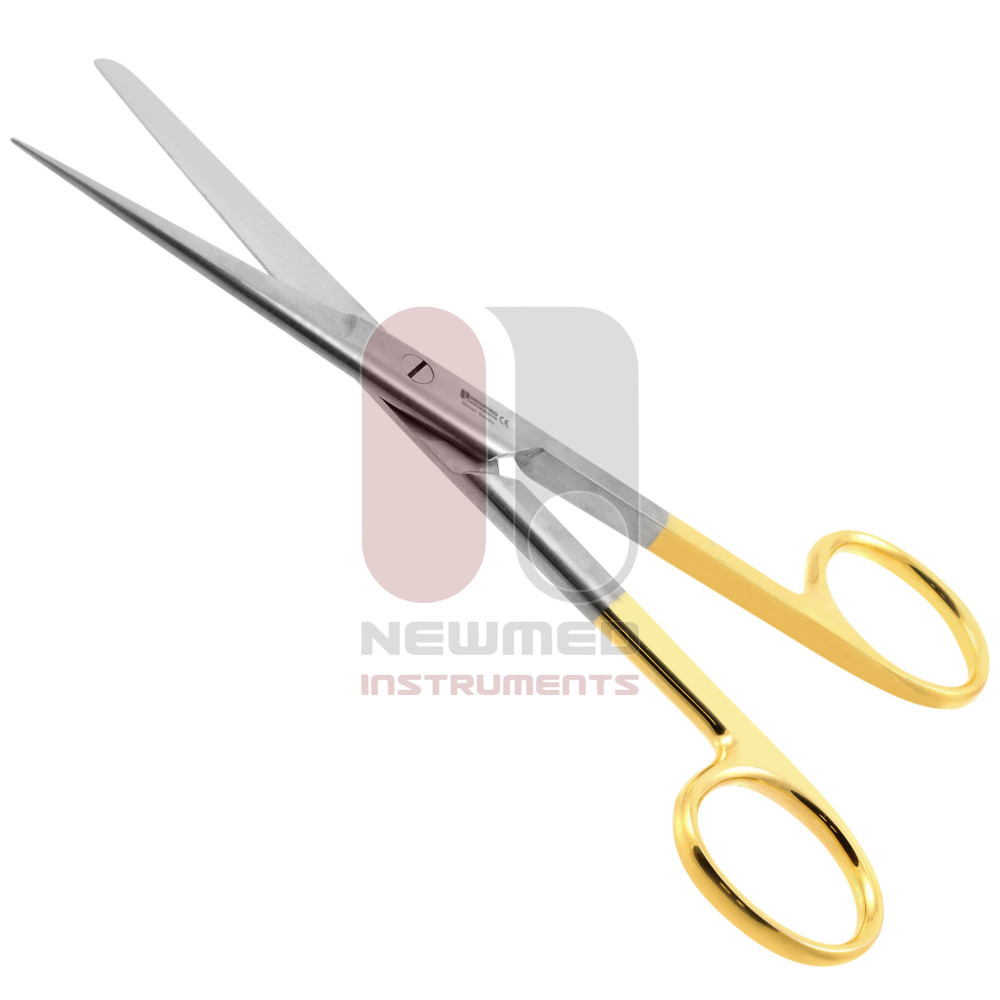
Every surgeon knows that the success of a procedure often hangs on the reliability of their tools. A dull blade or a misaligned edge can turn a routine operation into a challenge, potentially affecting patient outcomes. This reality drives the constant search for superior materials tungsten carbide in medical instrument manufacturing. Standard stainless steel, while effective, sometimes lacks the longevity required for high-volume or specialized surgical environments. This is where advanced materials step in to bridge the gap between standard functionality and exceptional performance.
The Role of Tungsten Carbide in Surgical Scissors
Medical professionals constantly seek instruments that offer longevity and unwavering sharpness. The introduction of tungsten carbide into surgical scissors has revolutionized how we approach tissue dissection and cutting. These instruments are not just tools but extensions of the surgeon's hand, offering a level of tactile feedback and cutting efficiency that standard steel simply cannot match. Understanding how to identify and utilize these superior instruments is the first step toward upgrading your surgical toolkit.
Spotting the Golden Standard
The most distinct visual indicator of these premium instruments is almost universally recognized in the medical field. Manufacturers have adopted a standard color-coding system to help busy professionals quickly grab the right tool from a sterile tray. When you look at a pair of surgical scissors, your eyes should immediately scan the handle rings. If those rings are gold-plated, you are likely holding an instrument enhanced with tungsten carbide inserts.
The Function of Gold Plating in Quick Identification
This gold plating is not merely for aesthetics or to signify a luxury item, although the performance is certainly premium. It serves as a rapid visual cue for the sterile processing department and the surgical team. This immediate identification prevents confusion during critical moments in the operating room. It signals that the instrument possesses harder, more durable cutting edges capable of maintaining sharpness far longer than traditional stainless steel counterparts.
The Science Behind the Sharpness
The secret to the performance of these scissors lies in the unique properties of the metal inserts welded onto the blades. Tungsten carbide is an incredibly hard compound, ranking just below diamond on the Mohs hardness scale. When this material is brazed onto the cutting edge of stainless steel scissors, it creates a blade that resists wear and tear remarkably well. This hardness allows manufacturers to hone the edges to a much finer, more precise angle than is possible with softer metals.
Durability and Cost-Effectiveness of Tungsten Carbide Scissors
Stainless steel is relatively soft and can lose its edge after repeated contact with tough tissues or sterilization cycles. In contrast, the inserts in these specialized scissors maintain their integrity through countless procedures. This durability translates directly to cost-effectiveness for medical facilities. While the initial investment might be higher, the reduced need for frequent sharpening or replacement makes them a financially sound choice in the long run.
Distinguishing Features of the Cutting Edge
Beyond the gold handles, a closer inspection of the blades reveals the true craftsmanship of these instruments. If you were to look at the cutting edge under magnification, you would see a distinct difference in the grain structure and finish compared to standard steel. The tungsten carbide insert is often visible as a slightly different tone of metal fused seamlessly to the stainless steel body. This fusion represents the perfect marriage of strength and flexibility.
Blending Strength and Sharpness for Optimal Performance
The stainless steel body provides the necessary tensile strength and resistance to corrosion, while the hard insert delivers the cutting power. This combination prevents the scissors from being too brittle, which could lead to snapping under pressure, while ensuring the edge remains razor-sharp. High-quality manufacturing ensures that the join between the two metals is flawless, eliminating any crevices where biological debris could accumulate.
Supercut Designs and Their Unique Advantages
Within the category of high-performance scissors, there are further distinctions that professionals should recognize. Some scissors featuring tungsten carbide inserts also come with a "Supercut" design. You can often identify these by a single gold ring and a single black ring, though sometimes they maintain the dual gold rings depending on the manufacturer. These specialized versions feature one knife-edged blade for slicing and one serrated blade to grip the tissue.
The Role of Micro-Serrations in Surgical Precision
The micro-serrations on one blade prevent tissue slippage, a common frustration with smooth blades, especially when cutting tough or calcified structures. The opposing razor-sharp blade then slices cleanly through the held tissue. This mechanism allows for incredibly controlled cuts with minimal trauma to the surrounding area. It is a level of engineering designed specifically for delicate procedures where every millimeter counts.
Maintenance and Longevity of Your Instruments
Owning high-quality instruments requires a commitment to proper care to ensure they last a lifetime. Although tungsten carbide is extremely hard, it is not indestructible. The very hardness that allows it to stay sharp also makes it susceptible to chipping if dropped on a hard surface or mishandled. Proper cleaning protocols must be followed, avoiding harsh chemicals that could damage the gold plating or the brazing material holding the inserts.
The Importance of Routine Inspections
Regular inspection is vital for maintaining the high standards New Med Instruments advocates. Check for alignment and smooth action every time the instrument is processed. Even the hardest edge will eventually need professional sharpening. However, unlike standard scissors that might need sharpening every few months, these premium tools can go years without needing attention, provided they are treated with the respect superior surgical instruments deserve.
Conclusion
Identifying the right tools is a fundamental skill for any healthcare professional dedicated to excellence. The gold rings of mayo scissors are a beacon of quality, signaling an instrument built for precision, durability, and superior performance. By choosing these advanced tools, surgeons and students align themselves with a standard of care that values perfect results. Upgrading your inventory to include these robust instruments ensures you are always prepared to deliver the best possible outcome for your patients.